

How to Verify Your IGI Certificate (and What the Laser Inscription Means)
One of the most common questions we get from buyers — on our site and on marketplaces — is some version of: "How do I know the diamond I receive matches the certificate?" It's the right question to ask about any significant diamond purchase. Here's exactly how verification works.
What an IGI report tells you
The International Gemological Institute (IGI) is an independent grading laboratory — they don't sell diamonds, they grade them. An IGI report documents your stone's measurable characteristics:
- Carat weight — measured to the hundredth of a carat
- Color grade — D (colorless) down the alphabet; our stones are typically D–F
- Clarity grade — how clean the stone is under 10× magnification; VS1 means inclusions are very slight and invisible to the naked eye
- Cut, polish, and symmetry grades
- Measurements — the stone's exact dimensions in millimeters
- Growth method disclosure — lab-grown stones are clearly identified as laboratory-grown on the report
How to verify your report online
- Find the report number on your IGI certificate.
- Go to igi.org and use the "Verify Your Report" tool.
- Enter the report number — IGI's database shows you the full grading record, which should match the paper certificate in your hand.
The laser inscription: matching the stone to the paper
A certificate alone proves a diamond was graded — the laser inscription proves your diamond is that diamond. IGI microscopically inscribes the report number on the girdle (the thin outer edge) of the stone. It's invisible to the naked eye, but any jeweler with a loupe or microscope can read it and match it to your report number in seconds.
That means you can independently confirm your diamond at any jeweler, anywhere — you never have to take a seller's word for it. That's the entire point of independent certification, and it's why we have every eligible stone inscribed.
Lab-grown grading is the same standard
Lab-grown diamonds are graded on the same color, clarity, and cut scales as mined diamonds, because they're the same material — crystallized carbon with identical optical and chemical properties. The report will always disclose that the stone is laboratory-grown; the D, the VS1, and the cut grade mean exactly what they mean for any diamond.
Own a diamond you can verify
Every eligible Zack & Elle stone ships with its IGI report and laser inscription — so everything in this article applies to the diamond on your ear or hand. If you're comparing your options, start where most of our customers do:
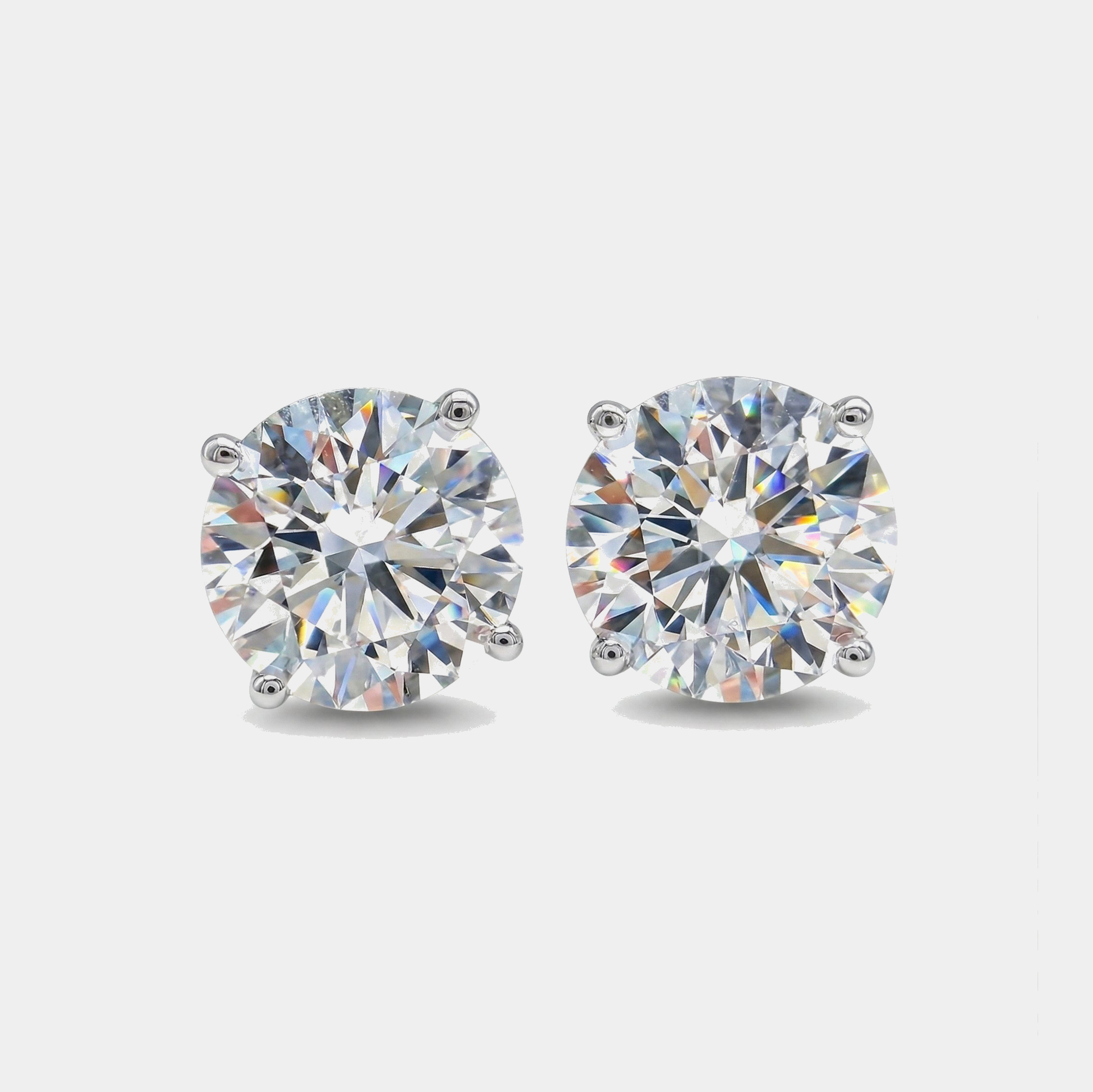
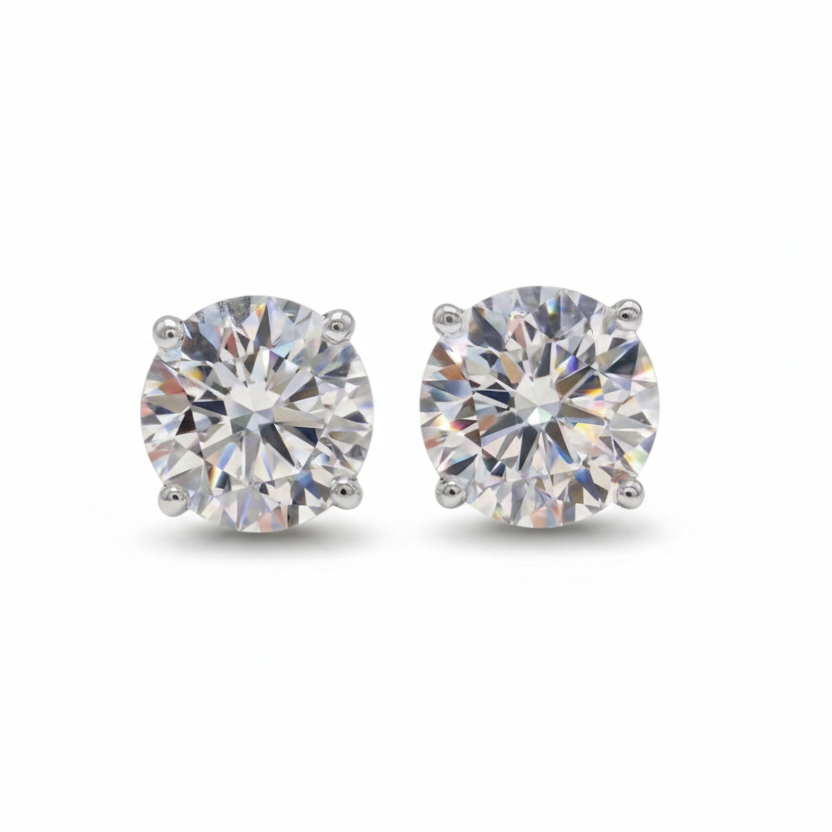
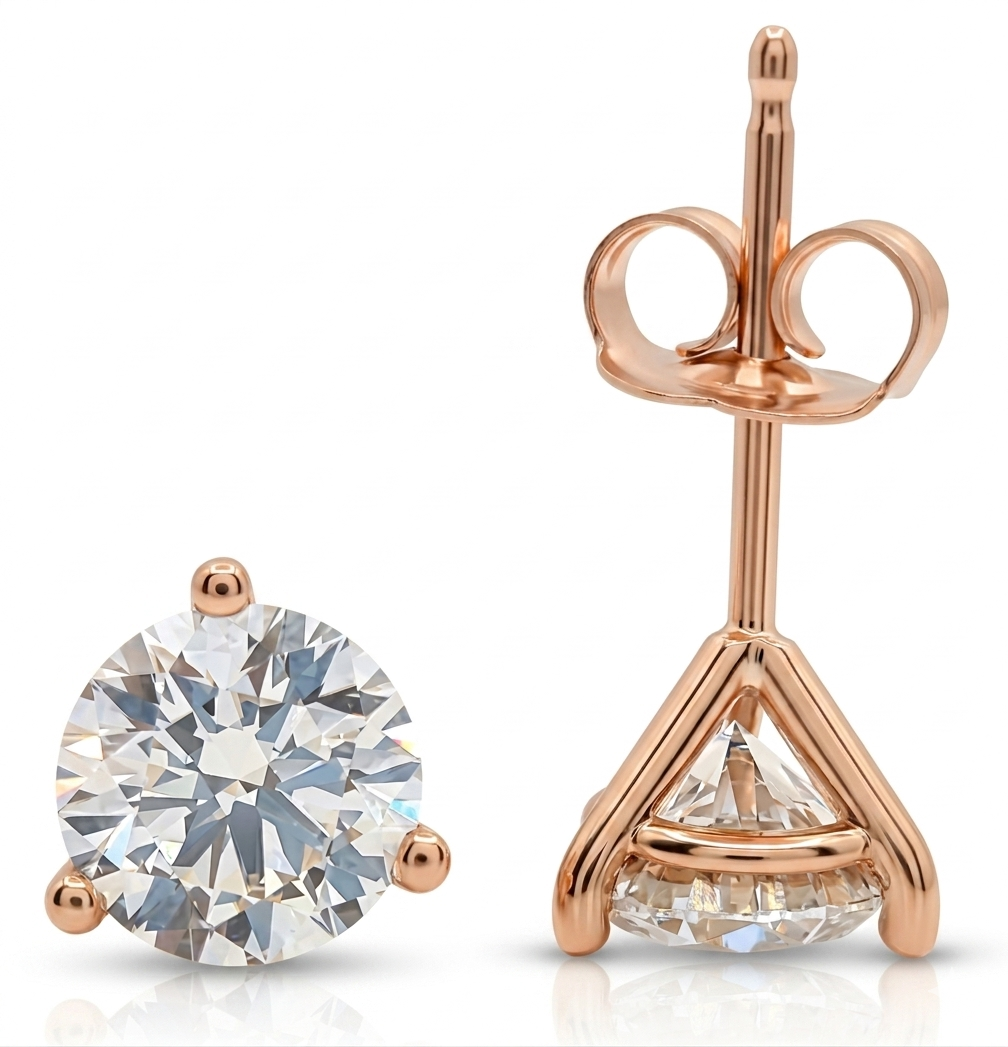
- IGI-certified lab-grown diamond studs — from $325, handset in our NYC studio
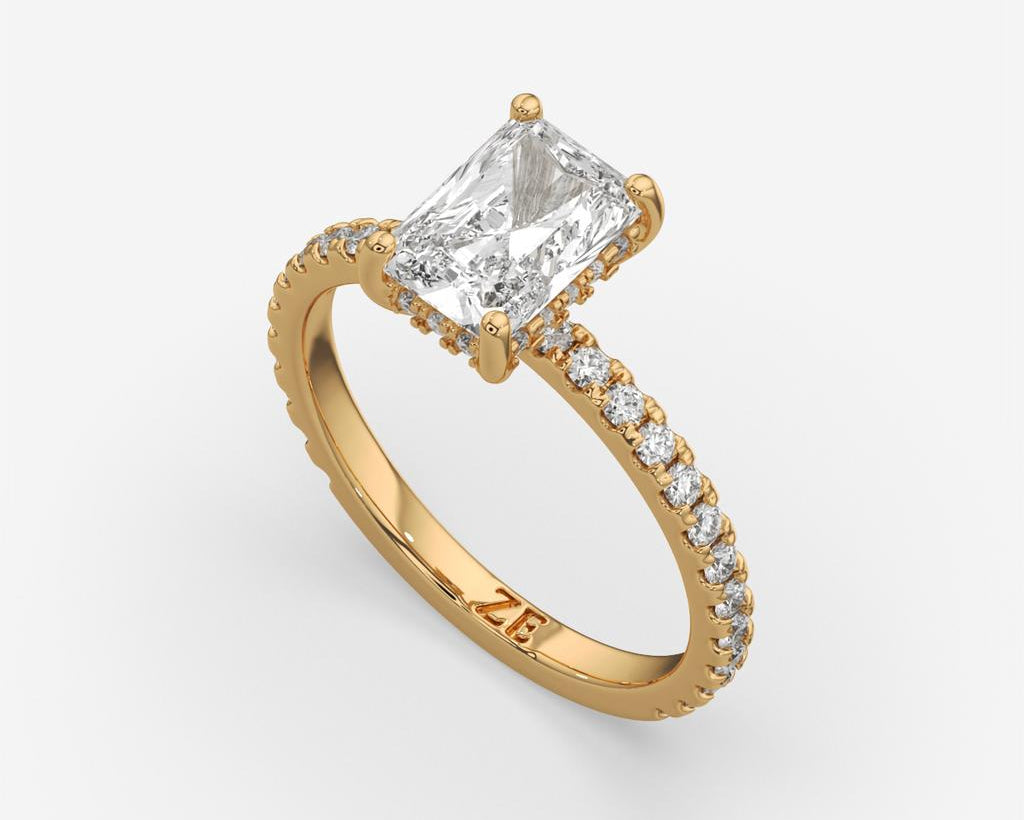
- Lab-grown diamond engagement rings — every stone over 1 carat certified and inscribed
Have a question about a specific report or stone? Contact us — a real person in our New York studio will walk you through it.

Leave a comment
This site is protected by hCaptcha and the hCaptcha Privacy Policy and Terms of Service apply.