

Are Lab-Grown Diamonds Real Diamonds? An NYC Jeweler's Honest Answer
We work in New York's Diamond District, and this is the question we hear more than any other. The short answer: yes, lab-grown diamonds are real diamonds. Not "basically diamonds." Not simulants. Diamonds. Here's the honest, complete version of that answer.
What a diamond actually is
A diamond is crystallized carbon arranged in a specific cubic structure. That's the entire definition — it says nothing about where the crystal formed. Lab-grown diamonds have the same chemical composition, the same hardness (10 on the Mohs scale), the same brilliance and fire, and the same optical properties as mined diamonds. The U.S. Federal Trade Commission recognizes laboratory-grown diamonds as diamonds; they simply must be disclosed as lab-grown — which we do on every listing, every certificate, and every ad.
What's actually different
- Origin: mined diamonds crystallized underground over roughly a billion years; lab-grown diamonds crystallize in a reactor over weeks under the same conditions of heat and pressure (HPHT) or through carbon vapor deposition (CVD).
- Price: this is the big one. Because supply isn't constrained by mining, a lab-grown stone of equal size and grade costs a fraction of its mined counterpart — which is why a genuinely large, high-color, eye-clean diamond becomes attainable.
- Resale narrative: we'll be straight with you — mined diamonds have a longer track record at auction. If you're buying jewelry to wear and love, that's irrelevant; if you're buying purely as a store of value, no diamond — mined or grown — is the right instrument.
What's NOT a diamond
Cubic zirconia and moissanite are simulants — different materials that imitate a diamond's look. They test differently, wear differently, and dull differently. A lab-grown diamond is not in that category, and a jeweler's thermal tester will read it as what it is: diamond.
How you can verify, not trust
Every eligible Zack & Elle stone is graded by IGI, an independent laboratory, and laser-inscribed with its report number on the girdle. Any jeweler, anywhere, can match the stone to its certificate in seconds. We wrote a step-by-step guide: how to verify your IGI certificate.
See the difference in person or on your hand
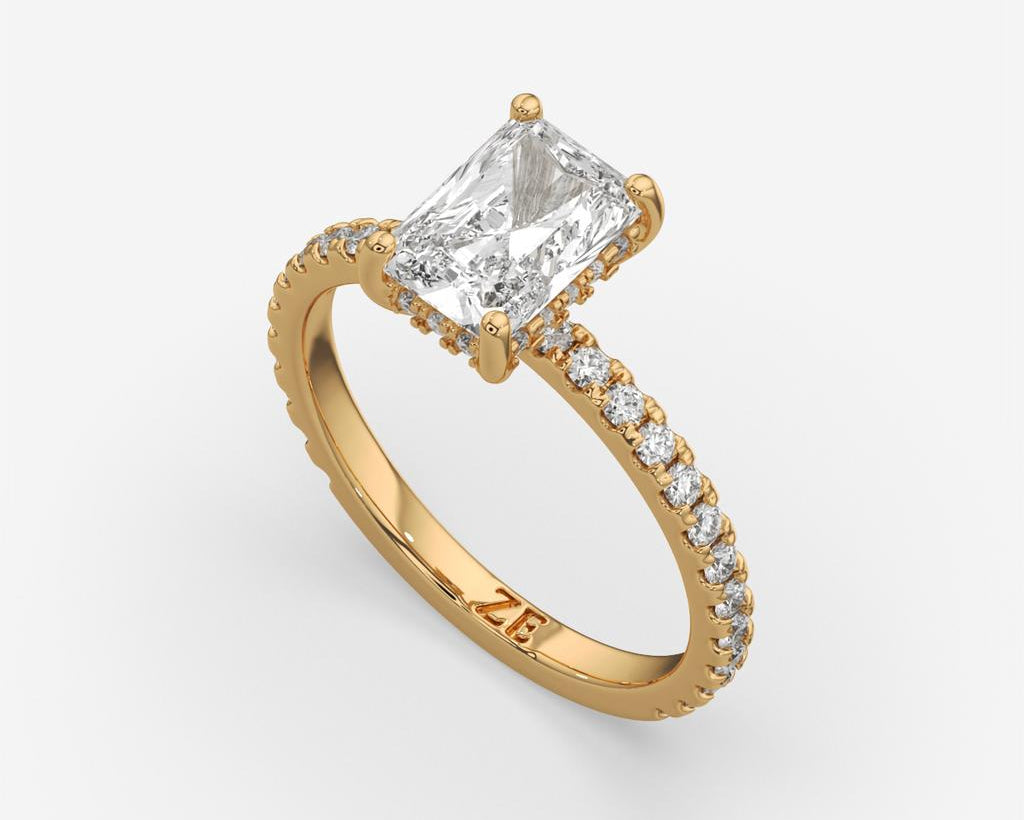
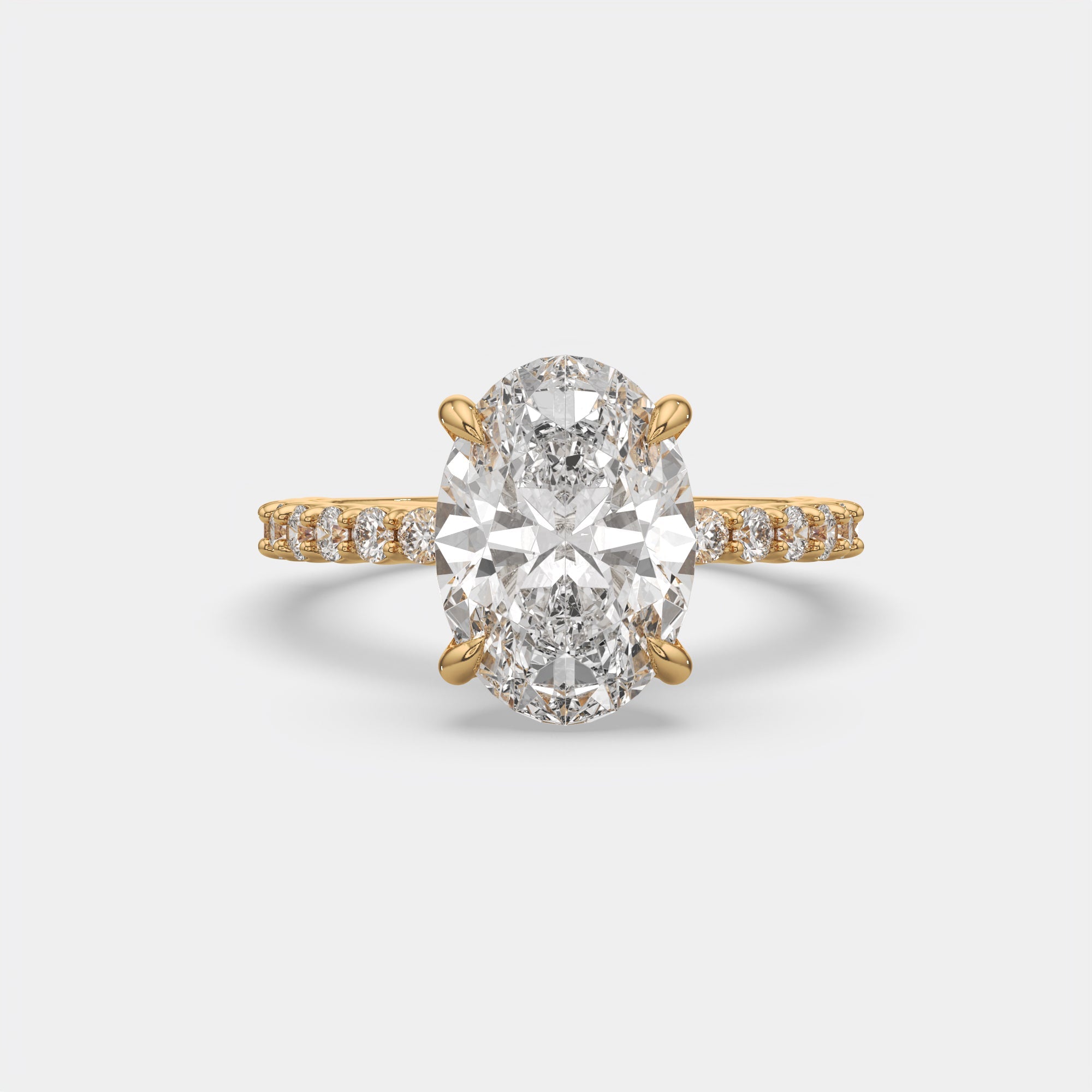
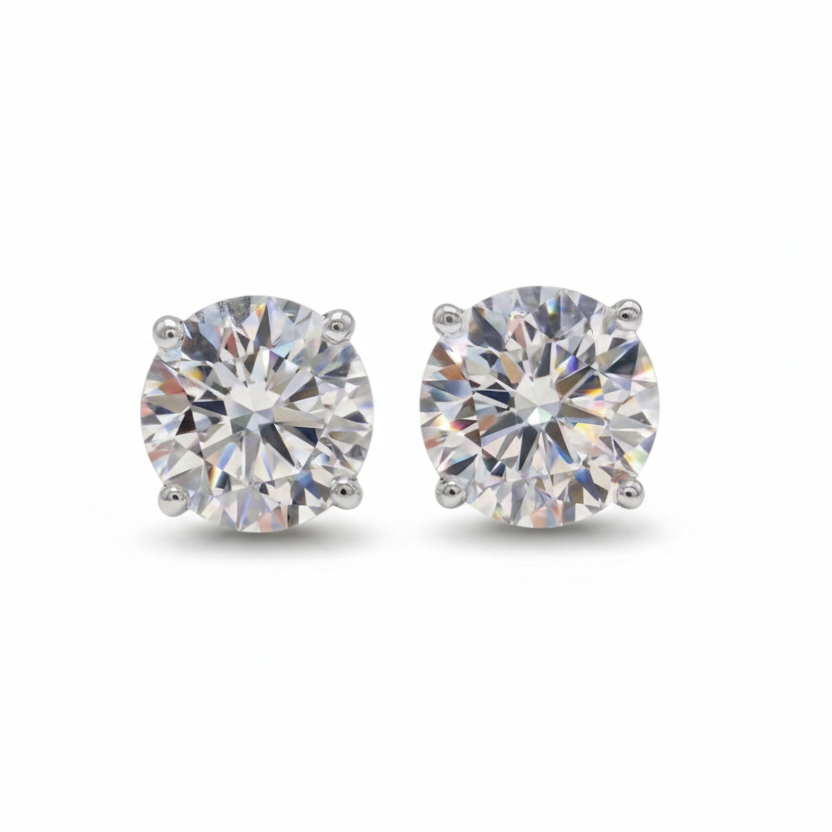
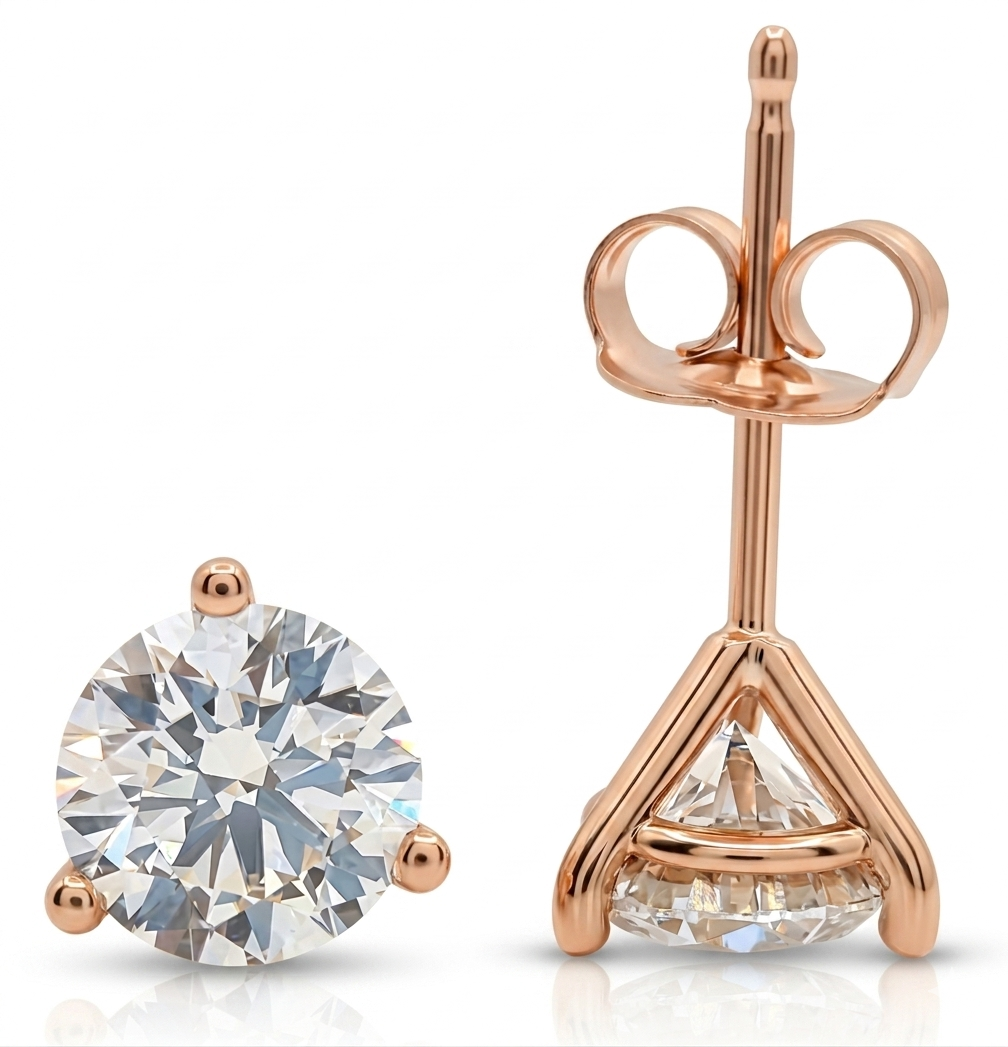
Browse our lab-grown diamond engagement rings or start with the everyday classic — IGI-certified diamond studs from $325. And if you're in New York, you can see the stones in person at our studio in the Diamond District — book a consultation and compare grades side by side under the loupe.

Leave a comment
This site is protected by hCaptcha and the hCaptcha Privacy Policy and Terms of Service apply.